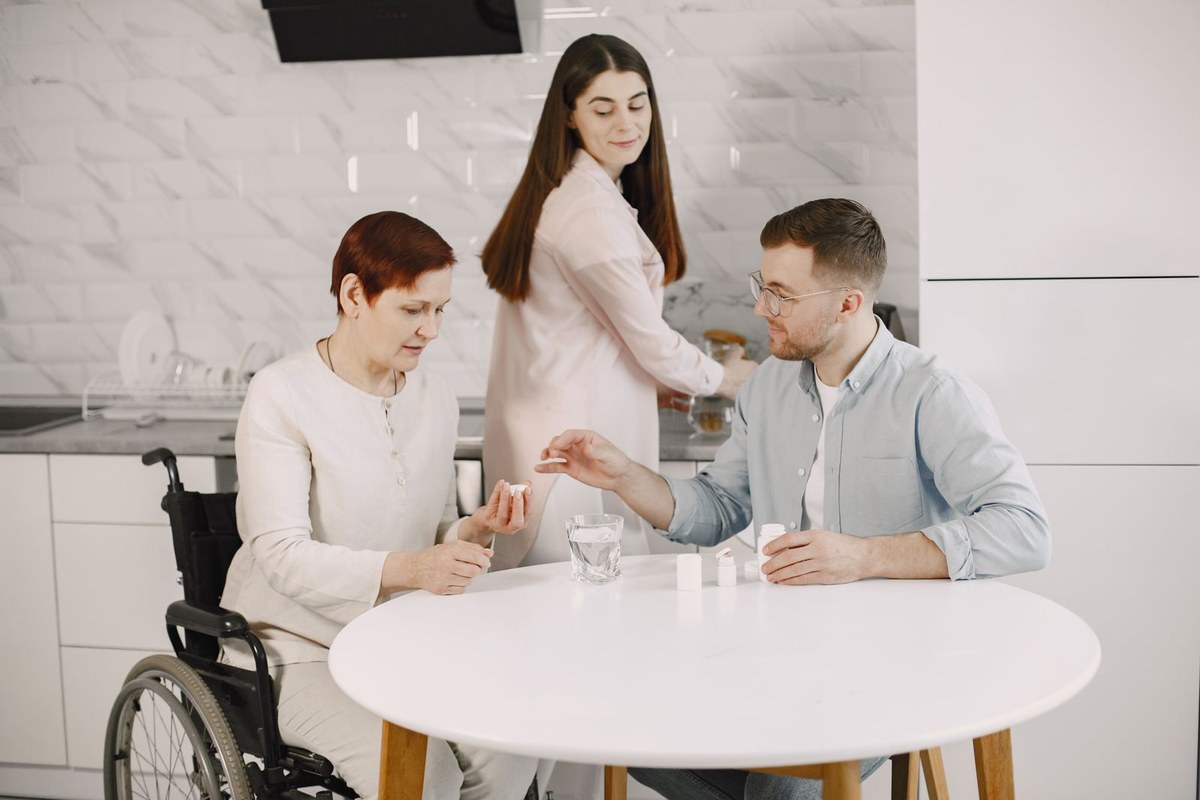

Good communication prevents misunderstanding, protects dignity and improves safety in care environments.
Most care incidents involve a communication gap somewhere: an unclear handover, a missed preference, an unspoken concern, a family that was never told. Communication is not a soft skill in caregiving — it is a safety-critical one.
Communication as a Safety System
When information moves accurately between shifts, disciplines and families, risks get caught early. When it does not, medication changes are missed, deteriorations go unreported and preferences are overwritten. Reviews of serious incidents in care settings return to the same theme repeatedly: someone knew something that never reached the person who needed it.
Speaking With, Not About
A basic rule of professional practice is to speak with the person, not about them in their presence. Even where cognition is impaired, people register tone, exclusion and dismissal. Address the person first, introduce anyone else present, and explain what is happening before it happens.
Plain Language and Confirming Understanding
Care environments are full of jargon. Replace it. "We are going to help you move up the bed using this sheet" is better than "we'll reposition you with a slide." Then confirm understanding — not with "do you understand?" but with "can you tell me what we're about to do?" when appropriate.
Listening Without Rushing
Older adults, people recovering from stroke and people living with dementia often need longer to formulate a reply. Waiting an extra five seconds before filling the silence is one of the highest-value habits in caregiving. Interrupting to guess the word is fast and disrespectful.
Non-Verbal Communication
Tone, pace, posture and eye level shape how support feels. Sitting down to speak at eye level rather than standing over someone changes the power dynamic of a conversation immediately. Rushed movements communicate impatience even when the words are kind.
Communicating With People Living With Dementia
Use short sentences and one idea at a time. Offer visual cues. Avoid testing questions such as "do you remember me?" Respond to the emotion behind the words rather than correcting the facts — reassurance usually works where argument never will.
Supporting Sensory and Language Differences
Check whether hearing aids are in and working before assuming confusion. Ensure glasses are clean and worn. For people with aphasia, use written words, pictures or gesture. Where language differs, use trained interpreters for anything involving consent, risk or clinical information rather than relying on family members.
Handover: The Highest-Risk Conversation
A strong handover is structured, not conversational. Say who the person is, what has changed, what was done, what the next shift must watch for and what is outstanding. Write it as well as saying it. Never end a shift assuming that something important was obvious.
Difficult Conversations
Complaints, refusals, distress and family conflict are part of the job. The reliable pattern is: listen fully, acknowledge the feeling, state clearly what you can and cannot do, agree a next step, and record the conversation. Defensiveness escalates almost every situation it enters.
Documentation Is Communication
Records are how you speak to colleagues you will never meet on shift. Write factually, date and sign, avoid abbreviations that are not agreed locally, and never record opinion as fact. If it is not written down, the next caregiver does not know it.
Practising Deliberately
Communication improves with feedback. Role-play difficult scenarios in training, ask a supervisor to observe a handover, and review your own notes after a week to see whether they would make sense to a stranger. Small deliberate changes compound quickly across a career.