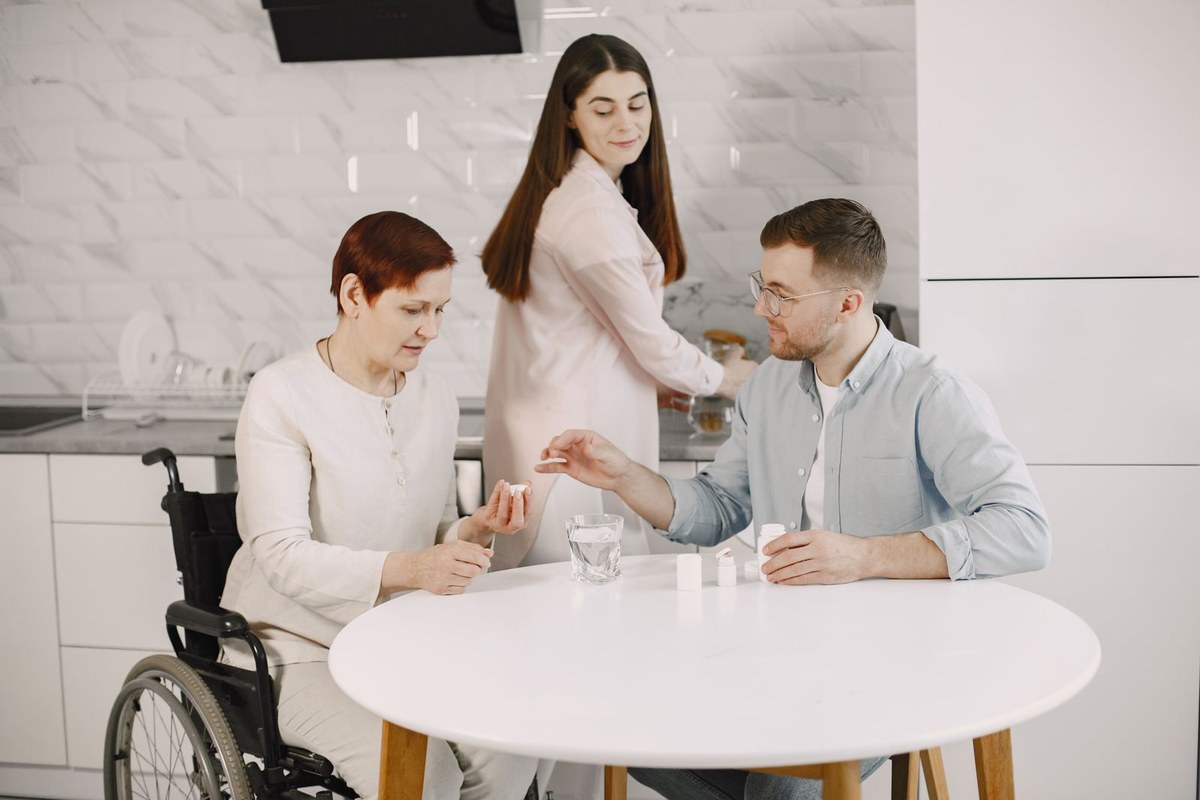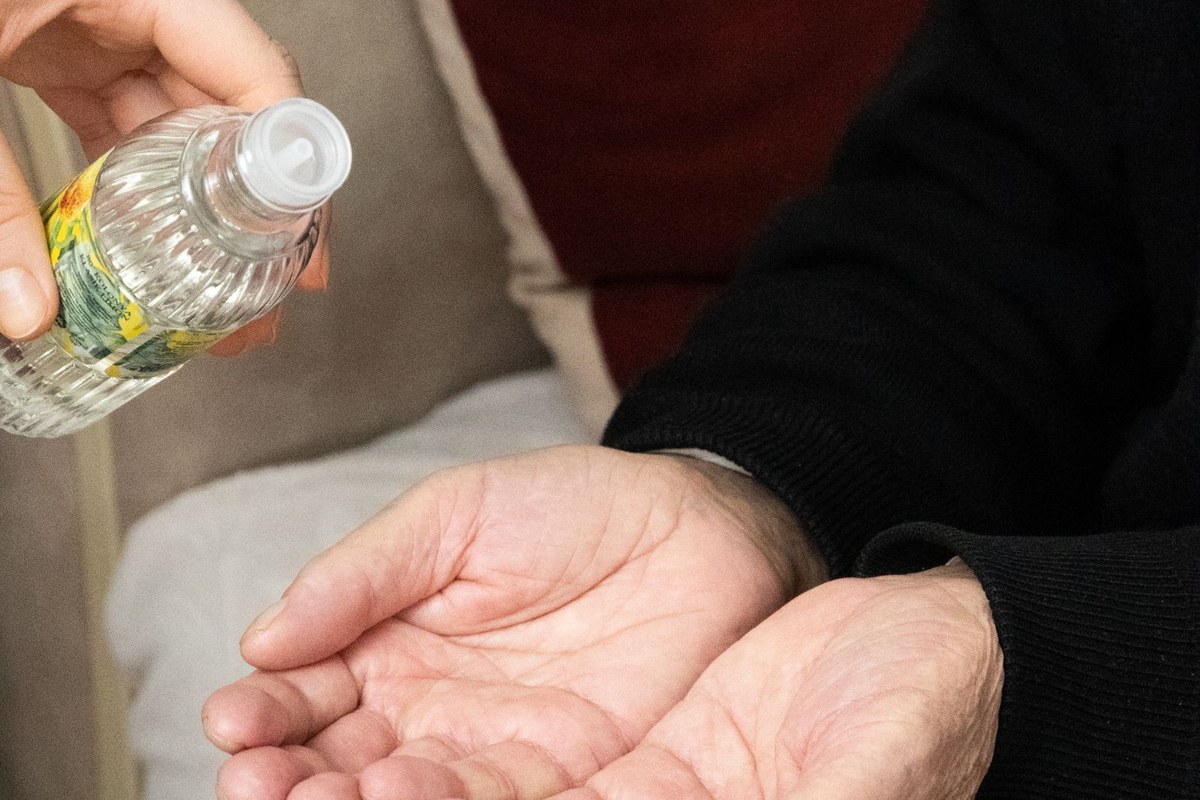

Person-centred care starts with the individual, not the task list. Here is what that means in daily practice.
Person-centred care means support is organised around the preferences, history, relationships and goals of the individual rather than the convenience of a routine. It is easy to state and surprisingly demanding to deliver, because it asks caregivers to hold two things at once: the tasks that must be completed, and the person those tasks belong to.
Where the Idea Came From
Traditional care models were built around institutions. Meals happened at set times, baths were scheduled by rota, and the measure of a good shift was whether the task list was complete. Person-centred approaches emerged from decades of evidence — particularly in dementia care and disability support — showing that people do better when they retain control over ordinary decisions.
The Core Principles
Four principles run through almost every framework: dignity and respect, sharing information openly, participation in decisions, and collaboration with the person and those close to them. In practice, these translate into small, repeatable behaviours rather than grand gestures.
What It Looks Like on a Shift
It looks like knocking and waiting before entering a room. Asking how someone prefers to be addressed and using that name every time. Explaining what you are about to do before you do it. Offering genuine choices — two shirts, not "shall we get dressed?" — and accepting the answer.
It also looks like flexibility about timing. If a person has been awake half the night, a later breakfast may matter more than the schedule. Person-centred practice is often about deciding which parts of the routine actually need to be fixed.
Knowing the Person
Life history is a working tool, not a nice extra. Knowing that someone was a night-shift engineer explains why they settle late. Knowing they raised four children explains why being fussed over feels uncomfortable. A short life-story profile — occupation, family, faith, routines, music, food preferences, things that distress them — changes how every interaction lands.
Balancing Choice and Risk
The hardest part of person-centred care is supporting choices you would not make. A person may want to walk unaided, eat foods that carry a swallowing risk, or decline a shower. The professional response is not to override the decision but to assess capacity, explain risks in language the person understands, record the conversation, involve the wider team where needed, and reduce risk without removing autonomy.
Involving Families Well
Families hold history, context and strong feelings. Person-centred practice involves them as partners while keeping the individual's own voice first. Where the person's wishes and the family's preferences differ, the caregiver's job is to raise it openly with the team rather than quietly choosing a side.
Common Pitfalls
Three mistakes recur. The first is treating choice as a script — asking a question but only accepting one answer. The second is assuming a diagnosis removes preference; people living with dementia continue to express preferences through behaviour and emotion even when words become difficult. The third is documenting person-centred language in the care plan without changing what happens on the floor.
Measuring Whether It Is Working
Useful indicators are practical: is the person eating and sleeping better, is distress reducing, are refusals falling, do families report feeling heard, does the care plan get updated when preferences change? If the plan has not changed in a year, it is probably describing a routine rather than a person.
Person-centred care is not slower care. It is care that spends its time on what actually matters to the person receiving it — and that usually reduces conflict, distress and wasted effort across the whole shift.