From communication to safe handling, these are the core skills that shape confident, professional caregiving practice.
Professional caregiving blends practical technique with human judgement. The strongest caregivers combine reliable routines with the ability to notice small changes in the people they support — a slightly slower walk, a missed meal, a change in mood. Technical skill keeps people safe; attentiveness keeps them well.
The ten skills below are the ones employers assess at interview, supervisors observe on shift, and learners return to again and again throughout their careers. None of them are fixed talents. Every one of them can be trained, practised and improved.
1. Communication
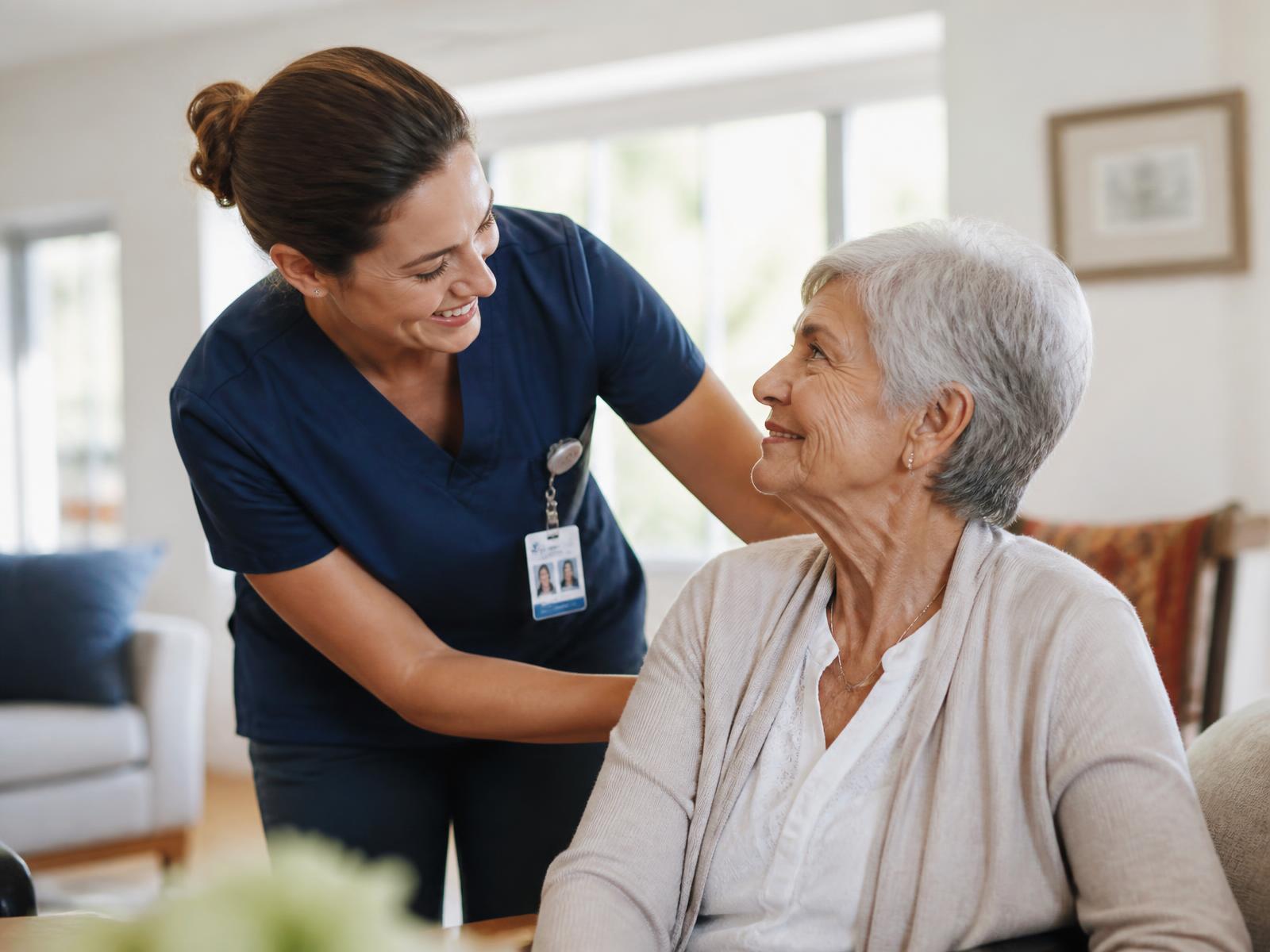
Communication sits at the centre of the role. Clear, respectful conversation reduces distress, supports informed consent and builds trust with clients and families alike. Strong caregivers speak in plain language, check understanding rather than assuming it, and give people time to answer without rushing them.
Communication is also written. A handover note that says "client unsettled overnight, refused breakfast, temperature 37.9" gives the next shift something to act on. A note that says "had a bad night" does not.
2. Personal Care Technique
Washing, dressing, oral care, continence support and grooming are among the most intimate tasks in the job. Competence here is a combination of technique and dignity: preparing everything before you begin, explaining each step, covering what does not need to be exposed, and offering real choices about how and when care happens.
3. Safe Moving and Handling
Musculoskeletal injury is one of the leading causes of caregivers leaving the sector. Safe handling means assessing before you move, using equipment as it was designed to be used, never lifting a person manually when a hoist or slide sheet is indicated, and knowing when to stop and get a second person.
4. Infection Prevention
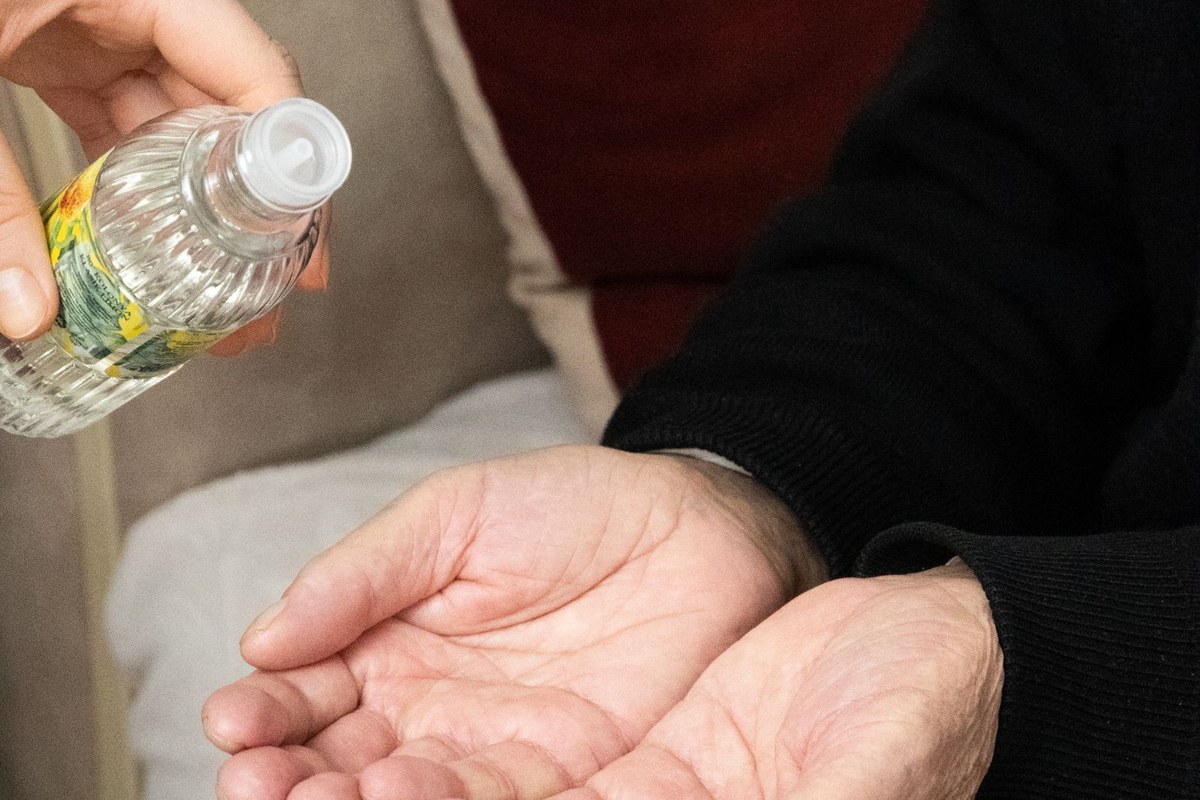
Hand hygiene at the right moments, correct use of protective equipment, safe handling of laundry and waste, and clean-as-you-go habits protect both the caregiver and everyone they support. These routines matter most when they feel least urgent — consistency is the whole point.
5. Nutrition and Hydration Awareness
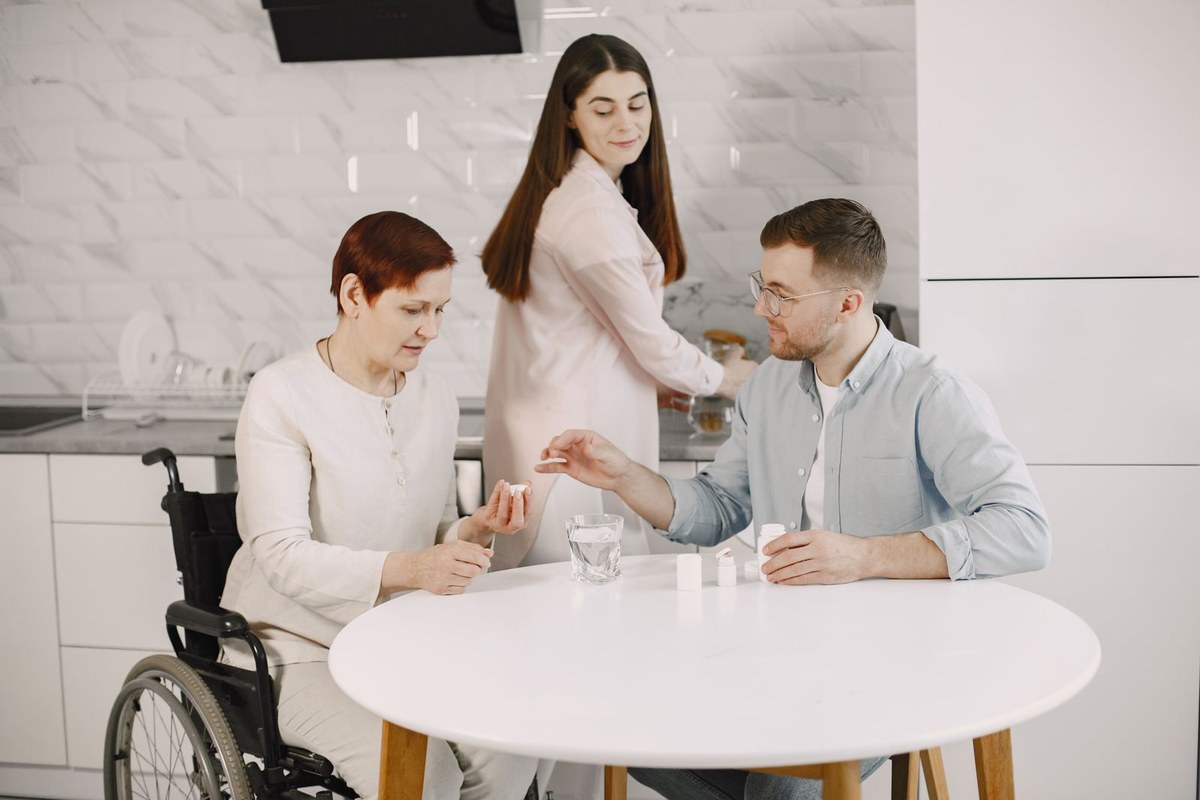
Caregivers are often the only person who sees what someone actually eats and drinks in a day. Recognising poor intake, swallowing difficulty, unintended weight loss and dehydration early can prevent hospital admission. Presentation, positioning, pacing and company at mealtimes all influence how much a person eats.
6. Observation and Reporting
Care work is a continuous assessment. Skilled caregivers describe what they observe factually and separate observation from interpretation: "walked with one hand on the wall today" rather than "seemed weak." Accurate observation, escalated promptly, is often what prevents a small problem becoming an emergency.
7. Documentation Discipline
Records are legal documents. They must be timely, factual, legible, signed and free of speculation or judgemental language. Good documentation protects the person receiving care, the caregiver, and the service.
8. Safeguarding Awareness
Every caregiver must recognise the signs of abuse, neglect and exploitation, understand their duty of care, and know exactly how to raise a concern within their organisation. Safeguarding is never someone else's responsibility, and reporting is never optional.
9. Emotional Resilience
Caregiving involves loss, frustration and emotional labour. Resilience is not suppression — it is having structured ways to process difficult shifts: reflective practice, supervision, peer support, clear boundaries between work and home, and knowing when to ask for help.
10. Teamwork and Professionalism
Care is delivered by teams: colleagues, nurses, therapists, families and the person themselves. Reliability, punctuality, honest handovers and respect for professional boundaries are what allow a team to function under pressure.
Turning Skills Into Practice
These skills develop in layers. Structured training builds the underpinning knowledge; supervised practice builds confidence; reflection turns experience into judgement. A useful habit is to choose one skill each month, set a specific goal for it, and ask a supervisor for feedback against that goal.
Caregiving rewards people who keep learning. The caregiver who is curious about why a technique works will, over a career, become far more capable than the one who only learned the steps.