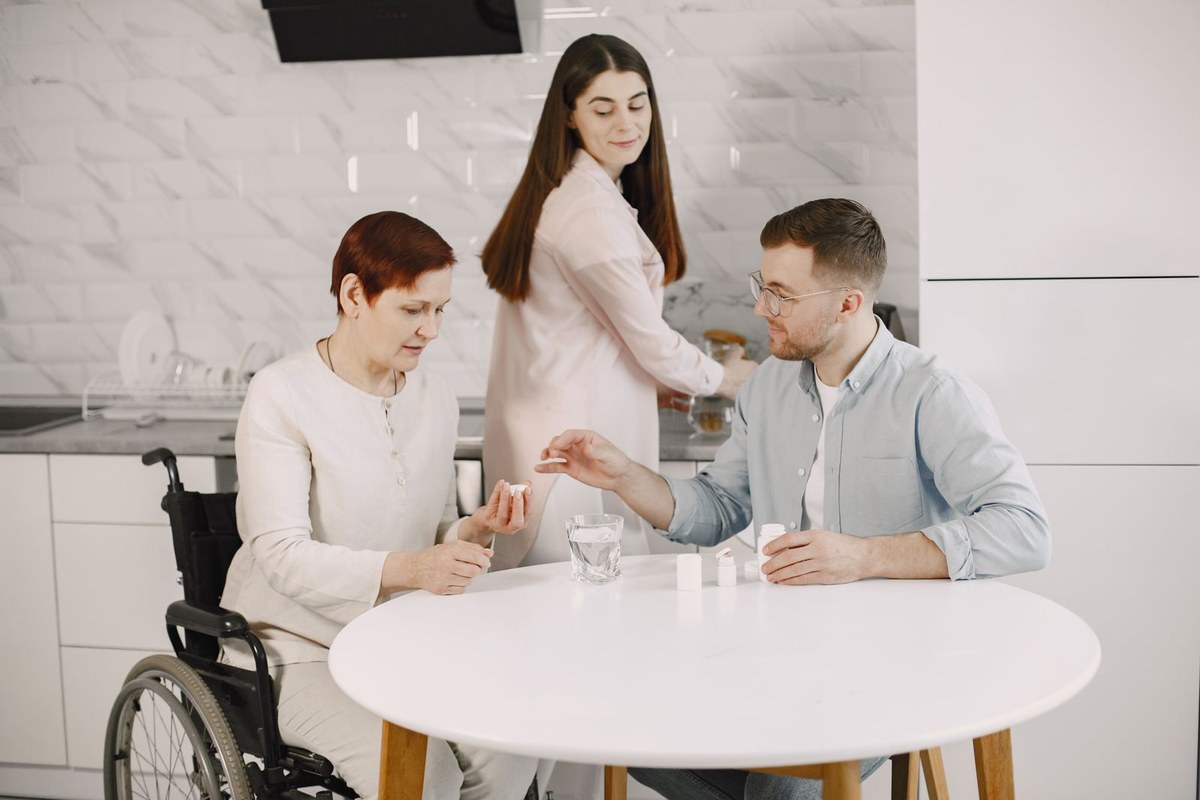
Simple, consistent infection prevention routines protect both caregivers and the people they support.
Infection prevention and control is the most cost-effective safety work in care. The people caregivers support are often older, immunocompromised or living with long-term conditions, which makes ordinary infections serious. The routines below are simple, well evidenced and effective only when applied every time.
Standard Precautions
Standard precautions assume that any blood or body fluid may be infectious, regardless of what is known about the person. They apply to everyone, always, and they remove the need to make risky judgements about who might pose a risk.
Hand Hygiene: The Foundation
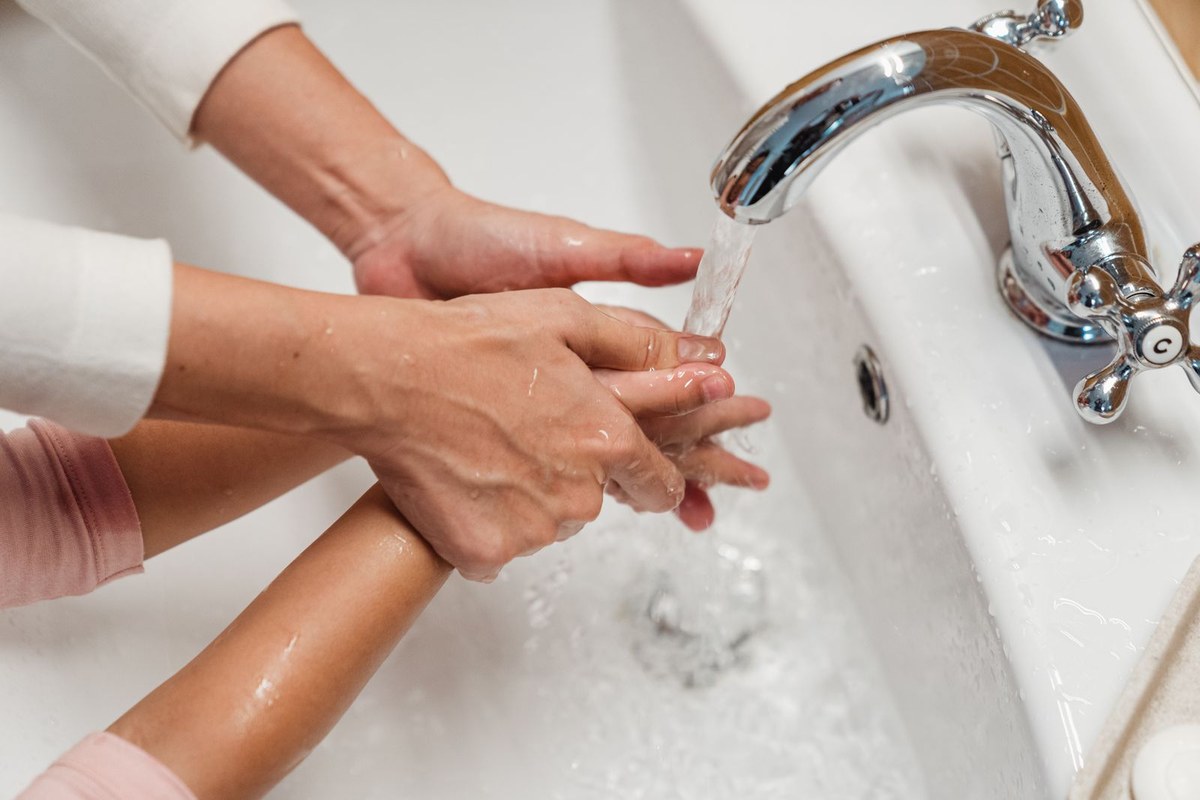
Hand hygiene performed at the right moments prevents more infection than any other single measure. Clean hands before touching a person, before clean or aseptic procedures, after exposure to body fluids, after touching a person, and after touching their surroundings.
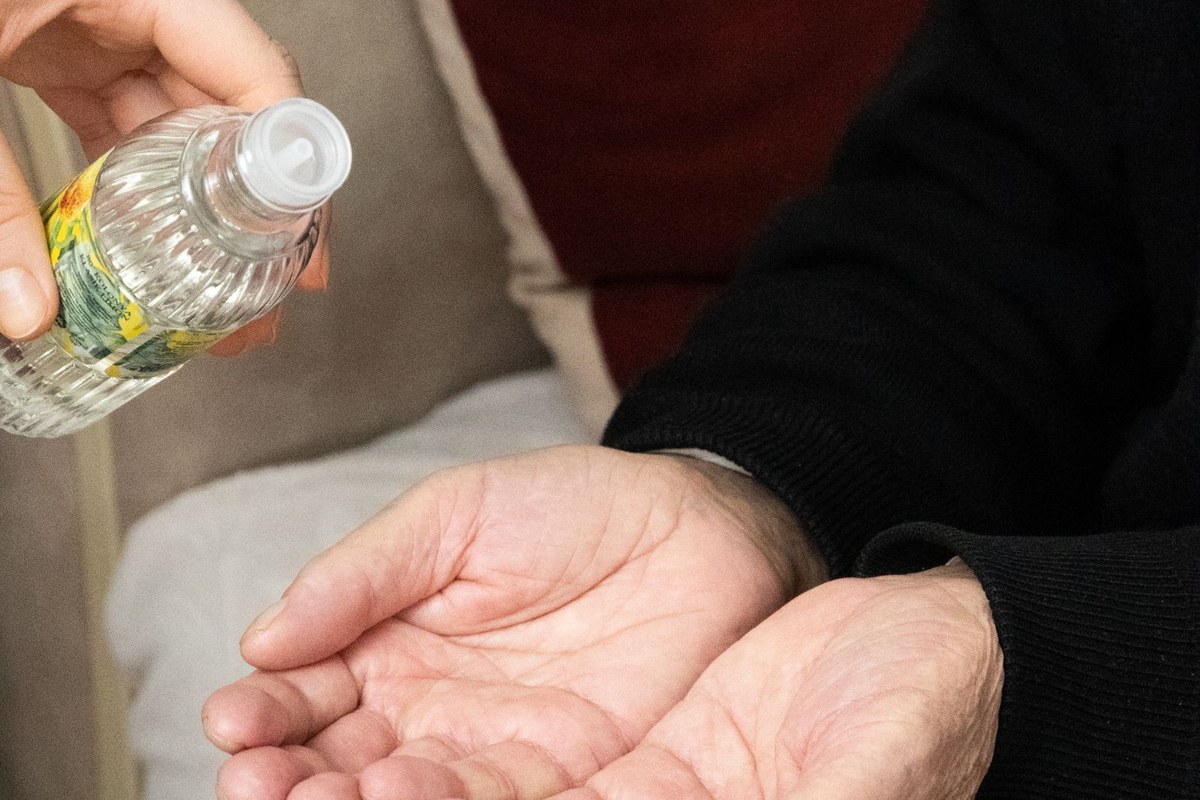
Soap and water are required when hands are visibly soiled and after caring for someone with diarrhoea or vomiting. Alcohol-based hand rub is appropriate otherwise. Technique matters as much as frequency: cover all surfaces, including thumbs, fingertips and between the fingers, for the full duration.
Keep nails short, avoid nail polish and false nails, and remove wrist jewellery. Cover cuts with waterproof dressings.
Personal Protective Equipment
Gloves, aprons, masks and eye protection are selected according to the task and the anticipated exposure, not worn by habit. Gloves are single-use and single-task; wearing the same pair between people or tasks spreads contamination rather than preventing it. Perform hand hygiene before putting gloves on and after taking them off.
Remove protective equipment in the correct order — gloves and apron first, then hand hygiene, then mask and eye protection — to avoid contaminating your face.
Respiratory Hygiene
Encourage covering coughs and sneezes with a tissue, disposing of tissues immediately and cleaning hands afterwards. Where respiratory infection is suspected, follow local guidance on masks, ventilation and separating the person from communal areas.
Safe Handling of Sharps and Waste
Never re-sheath needles. Dispose of sharps at the point of use in an approved container, filled no higher than the marked line. Segregate clinical and domestic waste according to local policy, and never overfill or compress waste bags by hand.
Laundry and Environmental Cleaning
Handle soiled linen away from your body, bag it at the point of use and never place it on the floor. Clean frequently touched surfaces — door handles, bed rails, call bells, commodes, handrails — regularly using the correct product and contact time. Clean-as-you-go prevents the build-up that makes deep cleaning necessary.
Food and Water Safety
Wash hands before food preparation, keep raw and cooked items separate, respect storage temperatures and discard food beyond its safe period. Ensure drinking water and jugs are refreshed and covered.
Recognising and Reporting Infection Early
Caregivers should know how infection presents in older adults, where the classic signs are often absent. New confusion, falls, reduced appetite, lethargy or a change in continence can indicate infection before any temperature appears. Report early and record what you observed.
Antimicrobial Awareness
Support prescribed courses being completed as directed, never share or reuse medication, and report suspected side effects. Reducing unnecessary antibiotic use is part of every caregiver's role.
Making It Routine
The difference between safe and unsafe practice is rarely knowledge — it is consistency under time pressure. Prepare equipment before you start, build hand hygiene into the natural pauses of a task, and speak up when a colleague misses a step. In infection prevention, the boring habit is the professional one.